Vape Culture: Understanding the Growth of Vaping in Modern Society
Vape culture has risen as a notable movement among millennials and young adults, motivated by the search for better alternatives and an array of flavor selections. Social platforms magnify this phenomenon, portraying vaping as a mainstream and accepted lifestyle. However, the health implications remain contentious, prompting serious questions regarding its safety. As vape shops evolve into community hubs, the characteristics of this movement remain in constant flux. What does the future hold for this expanding trend?
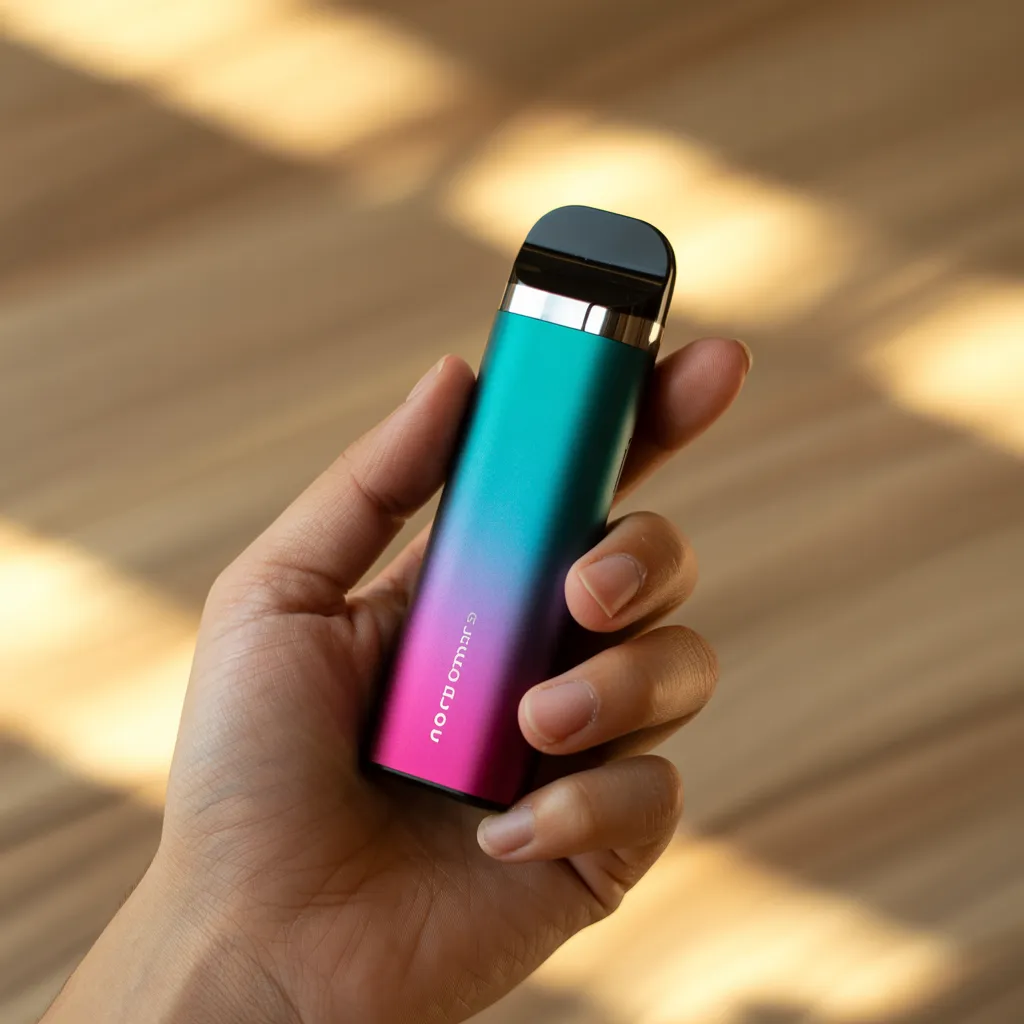
What Is Driving People to Switch to Vaping?
As the understanding of the health dangers linked to conventional smoking increases, numerous people are choosing vaping as what they consider a healthier option. This transition is fueled by several contributing elements, such as the attractiveness of diverse flavors and adjustable features that vaping products offer. A great number of users enjoy the diverse flavor selections, extending from fruit-based to dessert-inspired varieties, enhancing the experience beyond what conventional tobacco provides. Additionally, vaping is often viewed as a more socially acceptable practice, particularly among younger demographics. The advanced technology incorporated into vaping devices further provides a measure of control over nicotine use, drawing in those who wish to decrease their consumption over time. Moreover, the perception that vaping is less intrusive and has fewer lingering odors than smoking contributes to its rising popularity. As a consequence, a broad spectrum of individuals, including both former smokers and those new to nicotine use, are steadily embracing vaping as their preferred choice.
Is Vaping Actually Safe? The Wellness Debate?
How safe is vaping compared to traditional smoking? This topic has generated significant discussion among medical experts and everyday people. While vaping is often marketed as a safer alternative to smoking, the reality is more complex. Electronic cigarettes generally have fewer harmful compounds than conventional cigarettes, which may potentially lower certain health hazards. Nevertheless, vaping continues to deliver dangerous substances into the body, such as nicotine, which may result in dependency and possible heart-related complications.
New findings have raised questions about the prolonged consequences of the inhalation of vaporized materials, particularly since a large number of e-liquid ingredients lack sufficient research. In addition, incidents of lung injuries associated with vaping have been reported, adding to the uncertainty surrounding its safety. Ultimately, while vaping could pose less danger than cigarette smoking, it is still associated with notable risks, calling for cautious deliberation among users and policymakers.
Who Is Getting Into the Vaping Trend?
What types of people are attracted to vaping? Vaping attracts a wide variety of people, across different age groups and lifestyles. People in their youth, notably those ranging from their late teens to early twenties, often seek alternatives to traditional smoking, considering vaping a contemporary lifestyle decision. A significant number are influenced by the belief that vaping poses fewer health risks and delivers a tailored experience through an array of flavors and nicotine options.
Moreover, previous smokers moving toward vaping constitute a considerable segment. They often view it as a way to lower nicotine intake while continuing to enjoy the inhalation experience. Curiosity further motivates certain people, as the communal nature of vaping draws in those seeking to bond with others or discover new experiences. The ease of access to vaping, paired with its perceived freshness, keeps attracting a wide range of individuals to the vaping community.
How Social Media Has Shaped Vape Culture
What role does social media play in shaping vape culture? Social media platforms have become pivotal in promoting and normalizing vaping among various demographics. By sharing visually compelling content, influencers present vaping as a lifestyle decision, frequently highlighting its visual appeal and communal dimensions. Vaping-related hashtags and online challenges foster a sense of belonging, motivating users to exchange their experiences and personal preferences. Moreover, social platforms including Instagram and TikTok empower users to generate and spread tutorials, vaping techniques, and product assessments, increasing the prominence of vaping products and brands.
This continuous exchange cultivates an environment where vaping is not just a habit but an outlet for personal identity. The viral nature of social media amplifies trends, leading to rapid shifts in consumer preferences. As a result, social media serves as a double-edged sword, both promoting awareness of vaping and possibly romanticizing the practice, particularly among younger demographics.
How Vaping Impacts Lifestyle Decisions
Vaping has grown into a powerful force shaping current lifestyle trends, impacting a wide range of aspects from social dynamics to personal expression. For a great number of people, vaping acts as a social catalyst, enabling connections across both relaxed and professional environments. The act of vaping often creates a shared experience among users, fostering community bonds and establishing norms around social gatherings.
Furthermore, vaping has reimagined personal identity for many users, differentiating them from traditional smokers or non-smokers. The variety of flavors, devices, and brands enables people to communicate their individual style, fostering a sense of self-expression.
Moreover, health-related views surrounding vaping have inspired lifestyle shifts; certain users view it as a more health-conscious alternative to smoking, while others embed it within health and fitness conversations. When all is considered, vaping impacts decisions surrounding social engagement, identity expression, and wellness, showcasing its remarkable reach across present-day living habits.
Vape Shops: Community Hubs for Enthusiasts
Within the ever-changing world of vaping culture, vape shops are now recognized as vital community hubs for vaping enthusiasts. These locations operate as meeting spots where customers can bond over their mutual passion for vaping. Going beyond simple retail, vape shops frequently organize special events, such as tastings and workshops, cultivating a sense of community among customers.
The knowledgeable staff frequently provide valuable insights into the newest devices and e-liquid options, elevating the complete vaping experience. This tailored service fosters trust and loyalty among the community. Furthermore, vape shops frequently establish inviting atmospheres, promoting meaningful connections between customers, which often results in strong friendships and supportive networks.
With vaping steadily increasing in popularity, these establishments play a crucial role in forming a culture built on exploration and education. By emphasizing community participation, vape shops not only enhance personal experiences but also help establish a vibrant, interconnected vaping culture.
The Future of Vape Culture
In what ways will vape culture transform as technology and social perspectives change? As advancements in vaping technology continue, innovations including smart devices and tailored options will likely draw in a larger consumer base. Upgraded user interfaces and app connectivity may support individualized experiences, empowering users to track their consumption habits and preferred flavors. Furthermore, the increasing focus on health and well-being may redefine public perceptions, resulting in greater acceptance of vaping as a safer substitute for smoking.
Regulatory changes will likewise prove essential as governments implement stricter regulations, brands may concentrate on clarity and product integrity, cultivating a more conscientious sector. Public perceptions could keep evolving, with vaping gaining wider acceptance in popular culture, comparable to the craft beverage or specialty drink movement. At its core, the path forward for vape culture will be defined by a combination of technological advancement, legislative guidance, and shifting societal views, carving out a recognizable place in today's society.
Commonly Asked Questions
Which Flavors Are Most Favored by Vapers Today?
Fruit flavors, especially watermelon, mango, and berry, find guide lead the vaping market at present. Indulgent dessert flavors, including vanilla custard and rich chocolate, also remain highly popular, drawing in those who desire rich and satisfying vaping experiences.
How Much Does Vaping Typically Cost Monthly?
Monthly vaping costs generally fall from $30 to $100, varying with usage, device type, and e-liquid choices. Consistent users might notice significant cost variations depending on their own preferences and vaping frequency.
Do Age Restrictions Apply When Buying Vape Products?
Indeed, there are age restrictions for purchasing vape products. Across many areas, individuals must be at least 18 to 21 years old, depending on local laws, to legally buy vaping devices and associated products.
Is Vaping an Effective Way to Help People Stop Smoking Completely?
Vaping can help certain people stop smoking altogether by providing a less harmful alternative. That said, its results differ from person to person, and continued use of vaping can sustain nicotine reliance in certain individuals.
What Are Widespread Misconceptions About Vaping?
Common misconceptions about vaping involve the assumptions that it poses no health risks, that it lacks any harmful ingredients, and that it is solely a gateway to smoking. Such misconceptions may shape attitudes and actions related to vaping.